The Cabragh wetlands article in The Tipperary Star issue dated 30/09/2010 had as its main theme a Marsh Fritillary workshop held in Cabragh.Below is a brief life history of a larval web in Doireville Littleton.
This is a picture of the larval web in which they live for the first few months protected from the weather and most predators by the web. 05/10/2009
After feeding until mid October they retreat into a denser web in undergrowth called a "Hibernaculum" where they hibernate till the end of Febuary or early March.
Then they come out to bask on dry grasses and feed again on Devils bit scabious their only foodplant as below.01/03/2010
As they get bigger they get more independent and leave the web and scatter to pupate in very distictive pupas on grass and other vegetation.09/05/2010

In mid May they hatch and fly out to mate and start the cycle all over again
This protected species is in decline due to habitat loss ,it needs open sparse ground with lots of Devils bit scabious,Drainage ,forestry and under/overgrazing are big threats to its survival,It also lives in meta populations,movng a few hundred meters perhaps every year making habitat management difficult,hopefully efforts by the NPWS will halt its decline.
 Green-Veined Whites (mating)
 Small Copper


 Green Hairstreak

 Small Heath

 Ringlet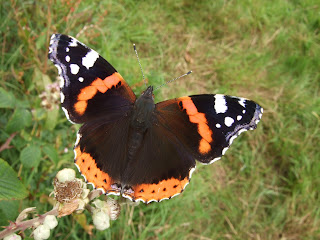

 Painted Lady (migrant)

 Large White


 Speckled Wood